
 admin
adminUnderstanding the Challenge
Picture this: you’re in the lab, excited to start your new protein purification project, yet you’re faced with a pesky problem. Recent studies show that over 70% of researchers encounter issues with protein contamination. How do you ensure the purity of your results when managing the residual protein a limit? This challenge can turn a promising experiment into a frustrating mishap.
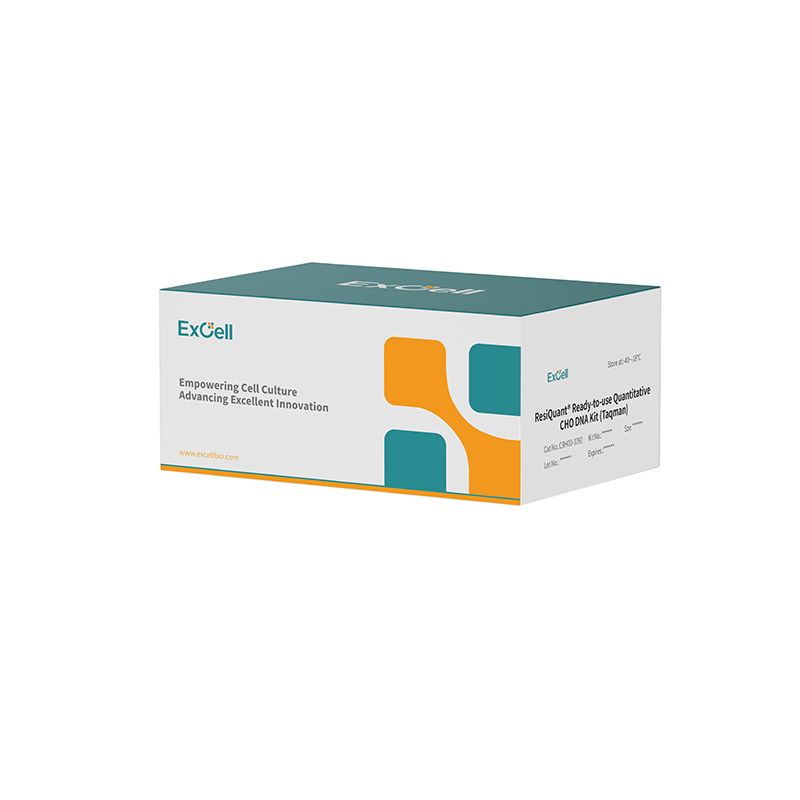
Residual Protein A is a common concern in biotechnology and pharmaceuticals, mainly when developing monoclonal antibodies. Those pesky remnants can affect drug efficacy and stability, leading to compromised results. We all want to achieve high-quality outcomes, but this hidden user pain point can really throw a spanner in the works, can’t it?
What Are the Common Pitfalls?
Firstly, let’s talk about traditional purification methods. They often fall short in completely removing these contaminants. For instance, even with affinity chromatography, a small residual protein A can hang around, impacting biological activity. That’s a frustrating reality, especially when time and resources are at stake.
Utilizing an ineffective approach could mean a whole lot of wasted materials and time. I once worked alongside a team that faced this exact issue, and after a month of testing, we realised our column wasn’t as efficient as promised. That’s when we decided to invest in better technology—one that could target lower limits of residual contaminants.
What’s Next in Protein Purification?
Looking ahead, advancements in purification technology are on the rise, and that gives me a sense of hope! The future of controlling the residual protein a limit lies with new strategies, such as using mixed-mode chromatography or alternate affinity tags that reduce these impurities significantly. Picture yourself using these cutting-edge methods, ensuring compliance and consistency.
Furthermore, I think there’s greater potential with automation and AI in labs, allowing us to identify and eliminate these leftover proteins faster than ever before. It’s all about leveraging the right tools and technologies to enhance our results. Can you imagine the possibilities?

Evaluating Solutions for Tomorrow
So, how do we move forward? I suggest that, as you evaluate potential solutions, keep these key metrics in mind: effectiveness in removing residual contaminants, cost-efficiency, and adaptability to various protein types. By focusing on these criteria, you can make informed decisions that align perfectly with your research needs.
To wrap it all up, the world of protein purification is evolving, and it’s up to us to stay ahead of the game. I firmly believe that by embracing new technologies and being savvy about our choices, we can tackle the challenges posed by residual protein A head-on.
Let’s explore brighter horizons in biotechnology, and remember, it’s all about innovation! For those needing trustworthy solutions, check out ExCellBio for some impressive advancements.
